
"tongue sensitivity"
200 article(s) found
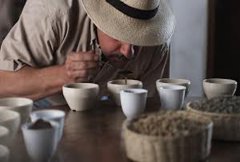
Coffee common sense SCAA coffee cup testing process
1. Fragrance: the first step in cup evaluation is to evaluate the aroma of coffee beans. Grind 10 grams of coffee, put it in 3-5 sample cups, and then breathe hard at the gas released by the freshly crushed coffee cells. The characteristics of the aroma indicate the essence of the taste of coffee beans: the sweet smell indicates that its taste is sour; the pungent smell indicates that its taste is irritating. The power of aroma
The six steps of coffee tasting: aroma, aroma, taste, smell, aftertaste and mellowness
Coffee tasting has six steps to describe the aroma, aroma, taste, smell, aftertaste and mellowness of coffee. 1. Fragrance: the first step in tasting is to evaluate the aroma of coffee beans. Grind 8.25 grams of coffee, put it in 3-5 sample cups, and then breathe hard at the gas released by the freshly crushed coffee cells. The characteristics of the aroma indicate the taste of coffee beans.

Six steps of coffee cup evaluation
There are six steps in coffee cup evaluation, describing the aroma, aroma, taste, smell, aftertaste and mellowness of coffee. 1. Fragrance: the first step in cup evaluation is to evaluate the aroma of coffee beans. Grind 10 grams of coffee, put it in 3-5 sample cups, and then breathe hard at the gas released by the freshly crushed coffee cells. The characteristics of the aroma indicate the essence of the taste of coffee beans:

Six Steps to Coffee Cup Evaluation
Coffee cup evaluation has six steps, describing coffee aroma, aroma, taste, smell, aftertaste and alcohol. Image: ab3a6c70gw1e5uo4ma2xzj20gj0a9gnf.jpg 1. Fragrance: The first step in cup evaluation is to evaluate the aroma of coffee beans. Grind 10 grams of coffee, place in 3 to 5 sample cups, and sniff vigorously the coffee released by the freshly ground coffee cells

Coffee tasting, coffee cup evaluation, six steps
There are six steps in coffee cup evaluation, describing the aroma, aroma, taste, smell, aftertaste and mellowness of coffee. 1. Fragrance: the first step in cup evaluation is to evaluate the aroma of coffee beans. Grind 10 grams of coffee, put it in 3-5 sample cups, and then breathe hard at the gas released by the freshly crushed coffee cells. The characteristics of the aroma indicate the essence of the taste of coffee beans:
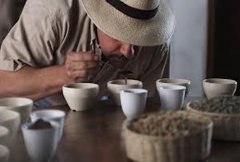
SCAA Coffee Cup testing process introduction to Fine Coffee
1. Fragrance: the first step in cup evaluation is to evaluate the aroma of coffee beans. Grind 10 grams of coffee, put it in 3-5 sample cups, and then breathe hard at the gas released by the freshly crushed coffee cells. The characteristics of the aroma indicate the essence of the taste of coffee beans: the sweet smell indicates that its taste is sour; the pungent smell indicates that its taste is irritating. The power of aroma
Six steps of coffee tasting General knowledge of fine coffee
Coffee tasting has six steps to describe the aroma, aroma, taste, smell, aftertaste and mellowness of coffee. 1. Fragrance: the first step in tasting is to evaluate the aroma of coffee beans. Grind 8.25 grams of coffee, put it in 3-5 sample cups, and then breathe hard at the gas released by the freshly crushed coffee cells. The characteristics of the aroma indicate the taste of coffee beans.

Coffee professional cup testing, learning and tasting high-quality coffee
1. Fragrance: the first step in cup evaluation is to evaluate the aroma of coffee beans. Grind 10 grams of coffee, put it in 3-5 sample cups, and then breathe hard at the gas released by the freshly crushed coffee cells. The characteristics of the aroma indicate the essence of the taste of coffee beans: the sweet smell indicates that its taste is sour; the pungent smell indicates that its taste is irritating. The power of aroma

Basic knowledge of baristas: how to make a good latte and teach you how to make a good latte
After the concentrated extract, the latte is not good. What is the reason for this? The latte tastes bitter and can't be blamed entirely on espresso extraction, which teaches you places that are easy to overlook. A latte tastes bitter, and many friends will point the finger at it directly. "it must be that the espresso is not well extracted."

How is coffee alcohol formed?-what does it mean?
How is coffee alcohol formed? what does alcohol mean? both substances can be extracted by hot water but remain on filter paper. This explains why Nordic boiled coffee, Turkish coffee and French coffee alcohol atlas contain relatively high levels of caffeine l and caffeinol (6-12 mg / cup), while filtered coffee and instant coffee contain a small amount of coffee.
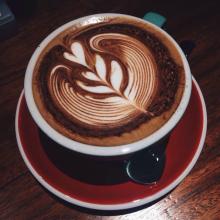
Sidamo Coffee beans introduce boutique coffee
17 grams of coffee, 300 milliliters of water, about 265 milliliters of coffee, steaming temperature 86 degrees, brewing temperature about 83 degrees. When the coffee is hot, it is not strong and very light. As the temperature decreases, the sensitivity of the tongue to the taste increases gradually, and the taste becomes more complex. The fragrance of the fruit is the most obvious, mixed with a hint of tea. I can't find anything in the taste.

SCAA coffee cup testing process Coffee Flavor Coffee aroma, aroma, taste and aftertaste introduction
1. Fragrance: the first step in cup evaluation is to evaluate the aroma of coffee beans. Grind 10 grams of coffee, put it in 3-5 sample cups, and then breathe hard at the gas released by the freshly crushed coffee cells. The characteristics of the aroma indicate the essence of the taste of coffee beans: the sweet smell indicates that its taste is sour; the pungent smell indicates that its taste is irritating. The power of aroma

What a good barista must have: how to taste a cup of coffee
There are six steps in coffee cup evaluation, describing the aroma, aroma, taste, smell, aftertaste and mellowness of coffee. 1. Fragrance: the first step in cup evaluation is to evaluate the aroma of coffee beans. Grind 10 grams of coffee, put it in 3-5 sample cups, and then breathe hard at the gas released by the freshly crushed coffee cells. The characteristics of the aroma indicate the essence of the taste of coffee beans:
A technical term for coffee.
Pleasant sour, sour (Acidity, Acidy) uncomfortable sour (sour) nose is not bright, not only can not smell the fragrance, even the taste is not as sensitive as usual. Think about it, whenever you catch a cold with a stuffy nose, do you feel more tasteless to eat? Usually sour food smells sour, and the taste we feel is actually a combination of taste and smell.

Mistakes in learning [cup test]: [taste map]-all tastes are produced in the whole mouth.
Professional baristas Please follow the Coffee Workshop (official Wechat account cafe_style) recently, people who want to open a coffee shop seem to have a common understanding-baking their own beans. So the proportion of self-baking shops is getting higher and higher. The degree of inquiry about the opening of the course is also getting higher and higher. It took more than 10 years to figure out the process and theory of baking beans and finally got something. However,
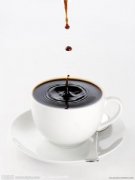
Coffee technical terminology basic knowledge of coffee
Pleasant sour, sour (Acidity, Acidy) uncomfortable sour (sour) nose is not bright, not only can not smell the fragrance, even the taste is not as sensitive as usual. Think about it, whenever you catch a cold with a stuffy nose, do you feel more tasteless to eat? Usually sour food smells sour, and the taste we feel is actually a combination of taste and smell.

Some knowledge about coffee tasting
After proper roasting and standard extraction, the coffee looks the same-drifting vapor and dark brown liquid.
The terminology of coffee
The nose is not bright, not only can not smell the fragrance, even the sense of taste is not as sensitive as usual. Think about it, whenever you catch a cold with a stuffy nose, do you feel more tasteless to eat? Usually sour food smells sour, and the taste we feel is actually a complex interaction between taste and smell. It seems not easy to separate taste from smell. No wonder "taste"
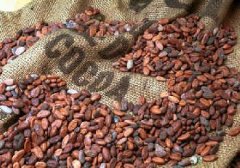
The jargon of coffee is pleasantly sour.
Pleasant sour, sour (Acidity, Acidy) uncomfortable sour (sour) nose is not bright, not only can not smell the fragrance, even the taste is not as sensitive as usual. Think about it, whenever you catch a cold with a stuffy nose, do you feel more tasteless to eat? Usually sour food smells sour, and the taste we feel is actually a combination of taste and smell.
Fine Coffee Learn to talk about fine coffee terminology
Not only did he not smell the fragrance, but his taste buds were not as sensitive as usual. Think back, whenever cold stuffy nose, eat things do not feel more tasteless? Usually sour foods smell sour, and the taste we experience is actually a complex interaction of taste and smell. It seems difficult to separate taste from smell. No wonder taste